Rakesh Ravichandran to co-present with University of Melbourne at TEFMA Sustainability Workshop

June 10, 2026

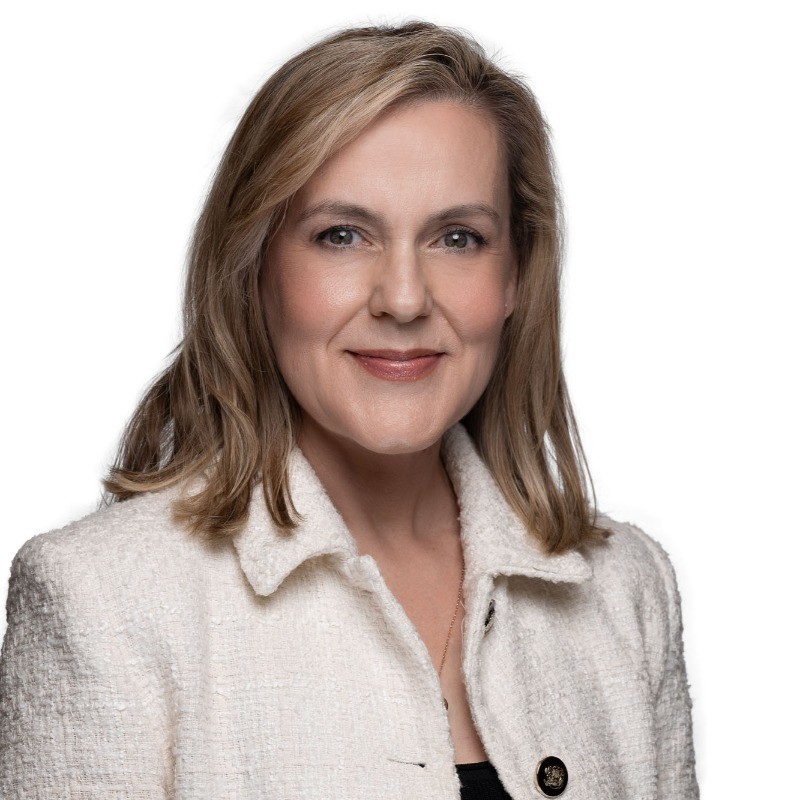
Rakesh Ravichandran, Senior Engineer at A.G. Coombs Advisory, will co-present alongside Danielle Rostan-Herbert, Associate Director, at the University of Melbourne, at the 2026 TEFMA Sustainability Workshop.

This joint presentation highlights collaboration between industry and one of Australia’s leading universities — focused on translating climate risk into practical, operational outcomes across tertiary campuses.

Held at Curtin University in Perth on 22 – 23 June 2026, the workshop brings together sector professionals to explore resilient campus planning, operational decarbonisation and sustainability leadership, with a focus on practical implementation and measurable outcomes.

The TEFMA Sustainability Workshop is delivered by the Tertiary Education Facilities Management Association (TEFMA), a leading professional body supporting facilities management across the higher education sector.

Bridging industry and university expertise

This collaboration brings together expertise from A.G. Coombs Advisory with operational leadership from the University of Melbourne — reflecting a shared focus on delivering practical, scalable approaches to climate resilience.

The session reinforces the importance of aligning institutional sustainability objectives with facilities management delivery, ensuring climate risk is embedded in how campuses are planned, operated and maintained.

From climate disclosure to operational delivery

Scheduled for Day 2 of the workshop, the session — Beyond Reporting: Delivering Climate Resilience on Campus — addresses a growing challenge for the tertiary sector: moving from climate risk reporting to practical, on-the-ground action.

As climate risks continue to intensify, universities are increasingly required to respond to:

  • Extreme heat and thermal stress
  • Flooding and water-related disruption
  • Bushfire risk
  • Long-term infrastructure resilience pressures.

At the same time, the Australian Sustainability Reporting Standards are reshaping how institutions identify, disclose and respond to these risks.

Through the combined perspectives of A.G. Coombs Advisory and the University of Melbourne, the session will demonstrate how reporting requirements can be translated into actionable facilities management strategies.

Supporting the transition to future-ready campuses

Events like the TEFMA Sustainability Workshop provide an important platform for collaboration across the higher education sector.

This joint presentation between A.G. Coombs Advisory and the University of Melbourne highlights how partnerships between industry and institutions can strengthen the transition from strategy to delivery — reinforcing facilities management as a key enabler of resilient, future-ready campuses.

For further details, read the unabridged presentation abstract below.

To discuss how mandatory climate reporting applies to your buildings, please contact Rakesh Ravichandran at A.G. Coombs Advisory.

Beyond Reporting: Delivering Climate Resilience on Campus

Unabridged presentation abstract by Rakesh Ravichandran, Senior Engineer at A.G. Coombs Advisory and Danielle Rostan-Herbert, Associate Director, Facilities Management at the University of Melbourne.

As climate risks intensify, tertiary education campuses face increasing disruption from extreme heat, flooding, bushfires, and water stress. While the Australian Sustainability Reporting Standards (ASRS) are reshaping how these risks are identified and disclosed, many institutions face a critical gap: translating climate risk into practical Facilities Management (FM) action.

This joint presentation by the University of Melbourne and A.G. Coombs Advisory demonstrates how climate risk and ASRS reporting can be translated into actionable FM strategies to build resilient campuses.

Drawing on real‑world experience the session will provide a practical framework for embedding climate risk into asset and maintenance planning, and campus delivery, supported by tactics such as building services resilience assessment, data‑driven maintenance, proactive disaster management strategies, and supply chain resilience enhancement.

Attendees will gain actionable insights to connect climate risk and reporting obligations with day‑to‑day FM delivery improving asset performance, service continuity, and long‑term operational resilience.

Loading ratings...

Latest News