In commercial and institutional buildings bushfire infiltration affects indoor air quality and occupant health, can affect soft furnishings and is known to set off fire detection systems forcing building evacuations.
In data centres, particulates, ash and soot can lead to short circuits on circuit boards, contaminate optical drives and laser-based sensors (including LiDAR), and cause corrosion that damages critical components such as CPUs and GPUs.
In healthcare facilities, smoke-induced recirculation within HVAC systems can undermine infection control requirements. Reduced air change rates and accelerated filter clogging increase pathogen concentrations, creating risks for both patients and staff.
Climate Change is Increasing Air Quality Risks
Projections show that the risk of significant bushfire events will continue to rise nationwide under all climate change scenarios.
Prolonged drought, extreme heat, increased fuel loads from dried vegetation, dry lightning and adverse wind conditions are contributing to more frequent and severe bushfire events. These high-intensity fires generate toxic smoke that poses substantial risks to both building occupants and building assets.
Preparing Buildings for a Changing Risk Environment
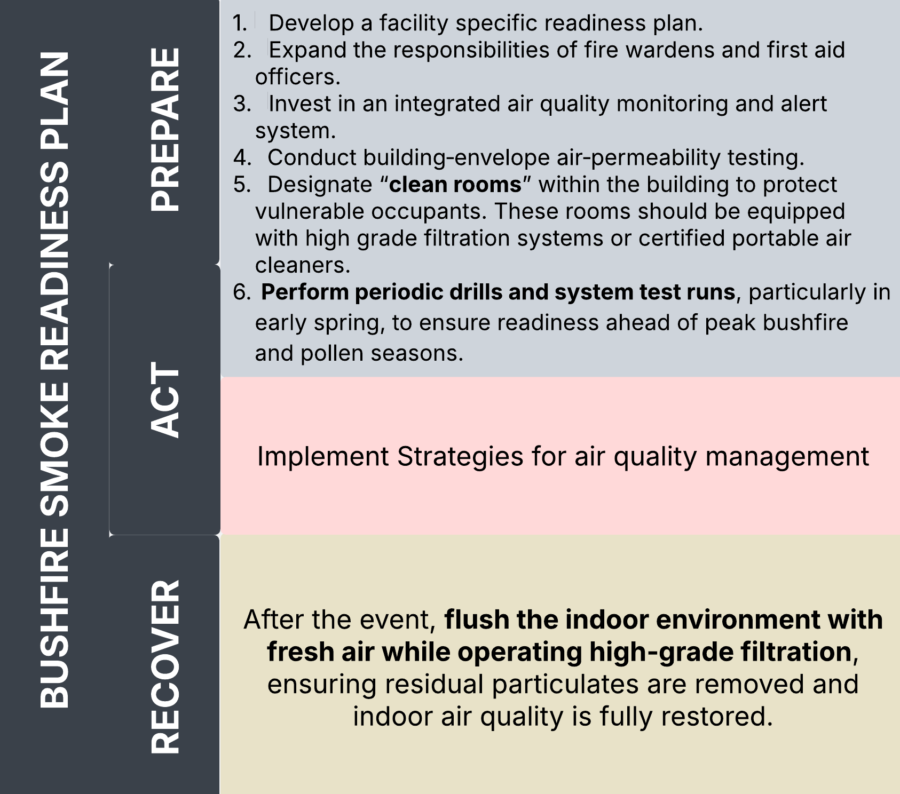
Increasingly, buildings are expected to protect their occupants from exposure to poor air quality. As a result, building facility management teams play a critical role in identifying, reducing and managing bushfire smoke-related risks.
During the January 2026 Victorian bushfires and the 2020 summer bushfires in the Canberra region, concentrations of PM2.5 and PM10 particulates exceeded the recommended daily limits of 15 µg/m³ and 50 µg/m³ respectively on multiple occasions. Although these particles are not visible to the naked eye, inhalation can lead to significant health impacts, including reduced lung function, elevated heart rate, cardiovascular stress, eye irritation and in severe cases, life-threatening conditions.
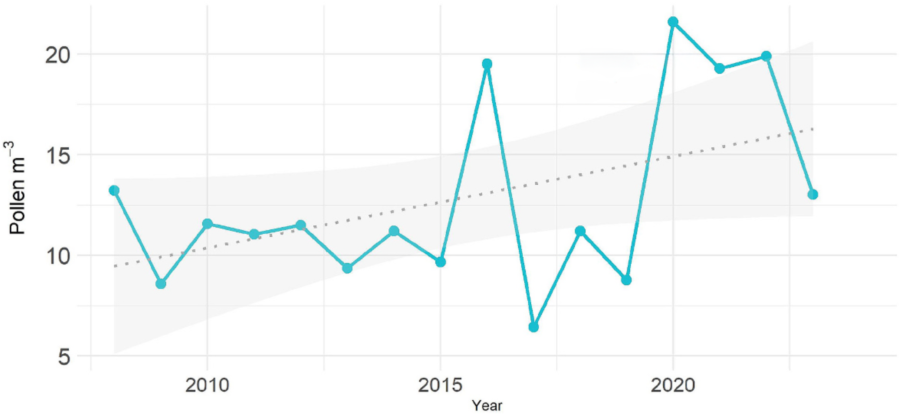
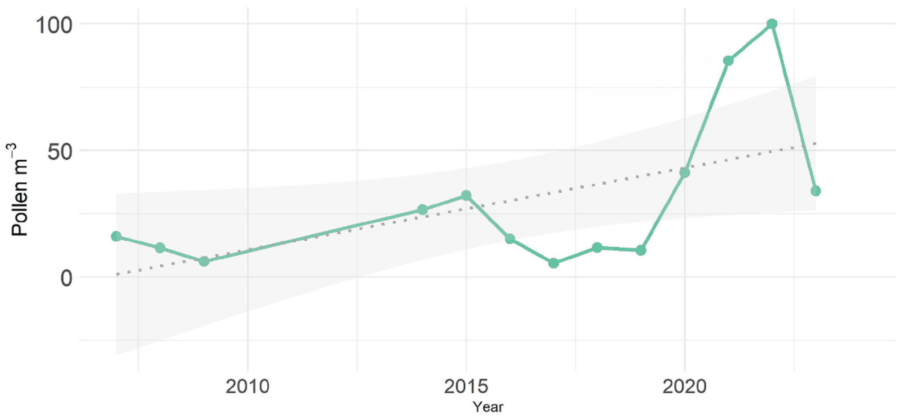
In addition to bushfire smoke infiltration, another emerging consequence of a warming climate often overlooked but also important, are the rise in pollen levels and increase in extreme wind events. Australia is experiencing earlier onsets, longer durations and higher concentrations of grass pollen, driven by rising temperatures, shifting rainfall patterns and more frequent extreme weather events.
An increase in the frequency and intensity of extreme wind events will increase the infiltration of outdoor particulate matter into buildings, including bushfire smoke, pollen and dust from dry soils, potentially affecting indoor air quality and occupant health.
The associated health risks are substantial, with increased incidents of hay fever, asthma attacks, sinus infections and in severe cases, acute allergic reactions. As illustrated in Figures 1 and 2, pollen counts in both Sydney and Canberra have shown a clear upward trend over the past decade, reinforcing the need for proactive building management air quality strategies.