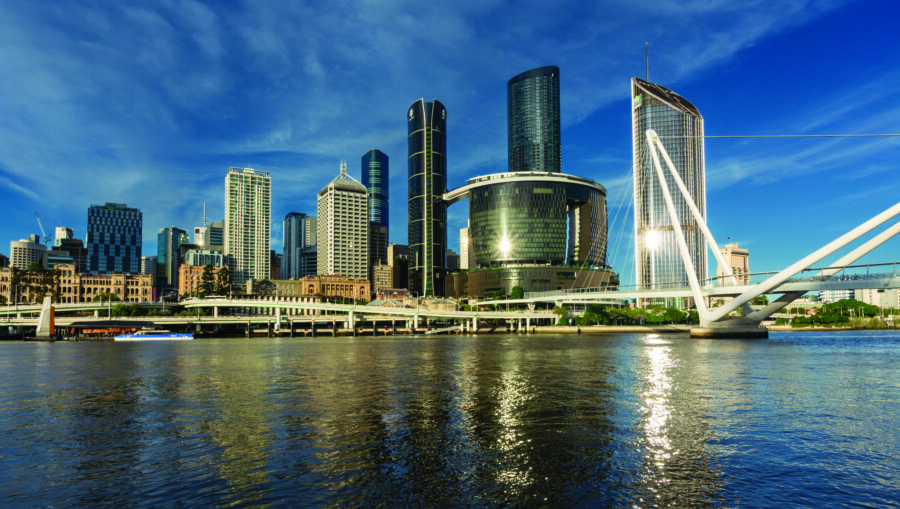
With initial engagement commencing in 2020, A.G. Coombs has completed mechanical services installation at the 3.6 billion Queen’s Wharf Brisbane integrated resort development, delivering sophisticated building systems across multiple high-rise towers and entertainment facilities.
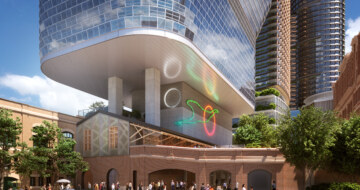
The A.G. Coombs scope encompassed mechanical systems for the two 10-level Star Grand Hotel towers (Towers 2 and 3); the 65-level Queen’s Wharf Residences (Tower 4); and specialised casino gaming environments including the Sky Deck and upper gaming areas.
Coordinated delivery under pressure
The project’s mechanical infrastructure featured a collaborative arrangement between multiple mechanical contractors with defined scope divisions. A.G. Coombs was responsible for connecting engineering systems and equipment to plant infrastructure, while maintaining complete responsibility for the Tower 4 mechanical systems including the dedicated rooftop central plant. Ellis Air provided chillers and riser pipework for Towers 2 and 3, along with central plant in basement areas.
This collective approach required precise coordination for mechanical interfaces and system integration across the different contractor responsibilities. “A.G. Coombs was responsible for the installation of over 12,000 pieces of mechanical services, plant and equipment across residential, hospitality and entertainment applications,” says Lindsay Rose, Operations Manager Queensland, A.G. Coombs Projects.
The Queen’s Wharf Brisbane project timeline extended through unprecedented global supply chain disruptions, requiring adaptive procurement and logistics strategies. Originally scheduled for completion in 2023, the project navigated COVID-19 impacts, multiple Brisbane River flood events and international shipping constraints that necessitated air freight procurement for critical mechanical components.
Supply chain resilience became a critical factor when standard shipping timelines were drawn out significantly, resulting in air freight importation of fan coil units and other specialised equipment to maintain construction schedules.
Advancing prefabrication
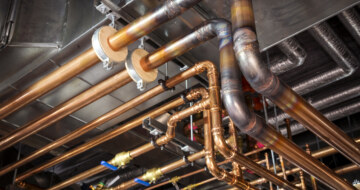
A.G. Coombs deployed innovative roll-in methodology for prefabricated riser systems in the upper gaming section of the development. These components were engineered and designed at the company’s Integrated Prefabrication Facility in Melbourne with local fabrication and assembly through regional supply chain partnerships.
“This hybrid prefabrication approach demonstrates A.G. Coombs’ national capability for modular construction capabilities,” adds Lindsay. “Engineering design, certification and quality assurance processes were maintained through our Melbourne facility, while fabrication was executed locally in Brisbane, reducing transport costs and supporting regional manufacturing capacity development.”
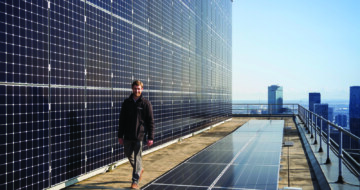
Tower 4 featured comprehensive rooftop central plant installation including air-cooled chillers, pump systems and associated mechanical infrastructure. This installation was completed within a six-week timeframe utilising the builder’s tower crane systems for equipment positioning. This residential tower incorporated 14 individual riser systems serving diverse mechanical requirements across its 65-level structure.