
October 8, 2025 in Advisory Notes
Navigating Heat Pump Retrofits - A Guide for Facility M...
Electrification projects can be complex undertakings bringing together a range of technical elements along with planning, coordination and logistics c...
May 14, 2026
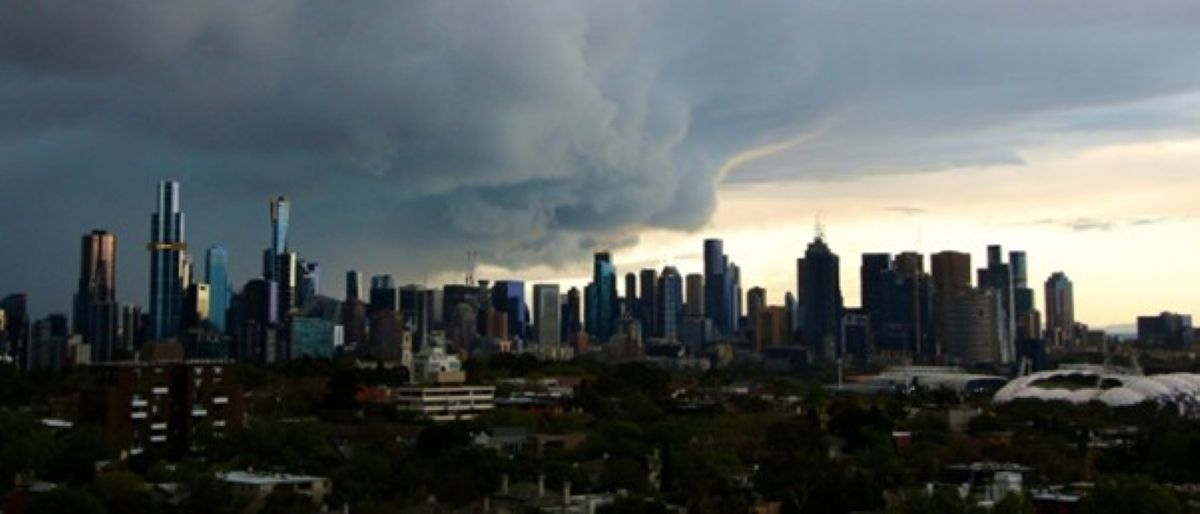
Rakesh Ravichandran, Senior Engineer at A.G. Coombs Advisory, will present “Mandatory climate reporting – beyond disclosure, using the ASRS to improve building resilience”, exploring how Australia’s new Climate Related Risk and Opportunity reporting requirements can move beyond compliance and support stronger, more resilient buildings. (See unabridged presentation abstract below.)
With the Australian Sustainability Reporting Standards (ASRS) now in effect, many organisations face the challenge of translating disclosure obligations into meaningful action. This presentation will focus on the critical role buildings play in climate risk identification, transition planning and long‑term asset resilience — and how building‑level data can inform better decisions.
Drawing on insights from the A.G. Coombs Advisory Note, Mandatory Climate Reporting and the Role of Buildings, the session will address:
Reshaping Existing Buildings 2026 is jointly hosted by AIRAH and the Facility Management Association of Australia, bringing together built environment professionals focused on transforming Australia’s existing building stock for a resilient, decarbonised future.
For further details, read the unabridged presentation abstract below.
To discuss how mandatory climate reporting applies to your buildings, please contact Rakesh Ravichandran at A.G. Coombs Advisory.
Unabridged presentation abstract by Rakesh Ravichandran, Senior Engineer at A.G. Coombs Advisory.
Mandatory climate-related risk and opportunity reporting is a new Australian regulatory requirement for companies to disclose how climate change affects their business and how they plan to manage these impacts. The built environment and facility operations will play a significant role in this reporting regime for many organisations.
Beyond mandatory reporting, intensifying climate extremes over the past decade have exposed critical vulnerabilities across the built environment, most notably in how existing assets are operated and maintained. As climate conditions shift and extreme weather events intensify, facility operations and maintenance teams are facing new and unconventional challenges. Yet, the absence of an industry-specific resilience approach and process leaves many Facility Managers navigating these pressures in ways that are often inefficient, costly, and unsustainable.
This is where the Australian Sustainability Reporting Standard (ASRS) can provide a useful and valuable pathway. By applying ASRS principles, Facility Managers can adopt a structured, forward-looking approach to strengthen asset performance, embed climate resilience, and ensure their facilities remain fit for purpose in a rapidly changing climate.
Currently, climate‑related disclosures under AASB S2 are primarily prepared to meet organisation‑level compliance requirements.
Facility Managers play an important role in managing climate risk at the asset level. Strong management supported by clear processes and a well‑tuned mechanism is essential for building an effective climate‑resilience pathway.
This presentation reframes that perspective by exploring how the core principles of AASB S2 can also serve as a practical pathway toward building climate‑resilient facilities.
By mainstreaming these functions into core facility management functions, a Facility Manager can establish a robust management foundation that drives coordinated action, informed decision‑making, and sustainable long‑term outcomes.
By leveraging the right tools, data, and operational insights, facility managers move beyond simply responding to the impacts of a changing climate; they become active leaders in strengthening the resilience and performance of the built environment. Facility level resilience begins with informed, well-equipped facility professionals, and this presentation is designed to provide them with the strategies, frameworks, and practical solutions needed to fulfil that role with confidence and impact.
Loading ratings...

October 8, 2025 in Advisory Notes
Electrification projects can be complex undertakings bringing together a range of technical elements along with planning, coordination and logistics c...