April 1, 2026 in News
Making Electrical Waves – Presbyterian Ladies’ Coll...
When the founders of the Presbyterian Ladies’ College (PLC) welcomed the first cohort of 60 students to their East Melbourne school in 1875, they co...
July 8, 2025
BE: What are A.G. Coombs’ capabilities in prefabrication?
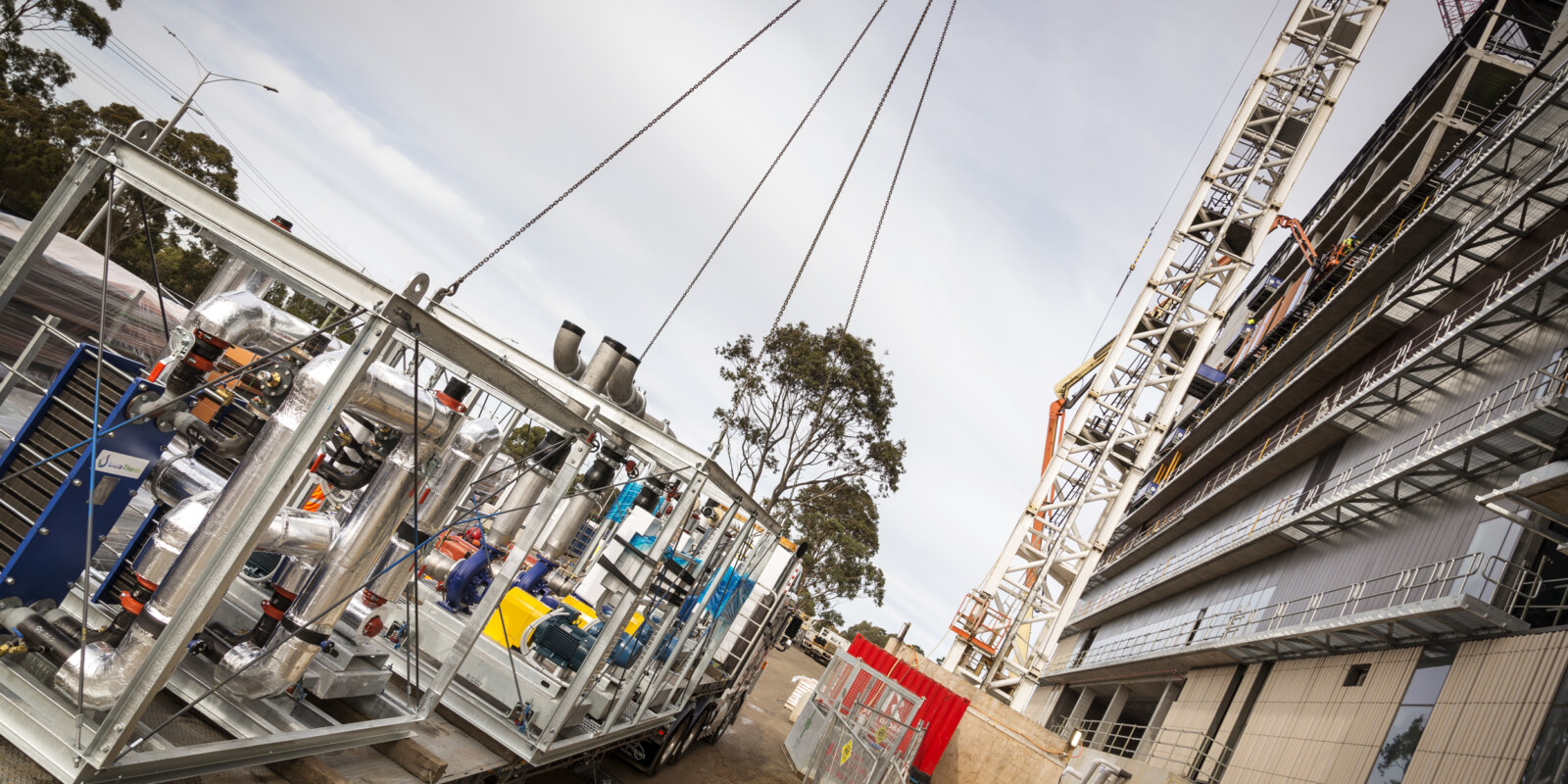
Daniel Waack: I like to say that if you can imagine it, we can prefabricate it. Likewise if you identify a problem, prefab can be a solution. Some of our best prefabrication outcomes have come from our team identifying a particular challenge on site, leading to an offsite manufactured answer that can be leveraged in other projects moving forward.
Continuous improvement is one of A.G. Coombs’ core values, and prefabrication is one area where this is realised on a day-to-day basis.
We are constantly looking to refine and standardise our prefabricated components to be easier to integrate into building construction, be more cost effective, and more straightforward to manufacture. Standardisation is leading to more and more prefabrication being incorporated into building services design.
BE: How is the evolution of prefabrication changing construction?
Daniel Waack: Traditional construction has always been about building from raw materials and individual components on site, that began to change with the use of pre-cast concrete panels and prefabricated steel structural items. Similarly, mechanical services were always “stick-built” too, but in recent years the adoption of prefabricated, modular building techniques began to change that, and now as clients come on board with the concept we are moving to a “kit of parts” approach that standardises common sub-assemblies to achieve efficiencies and economies of scale.
What we are now seeing is prefabrication being driven by the services contractor, with the barriers that once existed gradually breaking down as clients and constructors experience the benefits.
Consequently, our capability at A.G. Coombs has progressed from what is now relatively ‘straightforward’ pipe module manufacture to modular assembly on a significantly larger and more sophisticated scale. We now have a strong focus on the assembly component in DfMA (design for manufacture and assembly).
BE: How is the integration of prefabrication strategies from Early Contractor Involvement (ECI) impacting design?
Daniel Waack: Front end designers and ECI processes are now beginning to incorporate and leverage offsite opportunities at the early stages of design rather than later shoehorning prefabrication solutions in. This is bringing demonstrable benefits to construction projects.
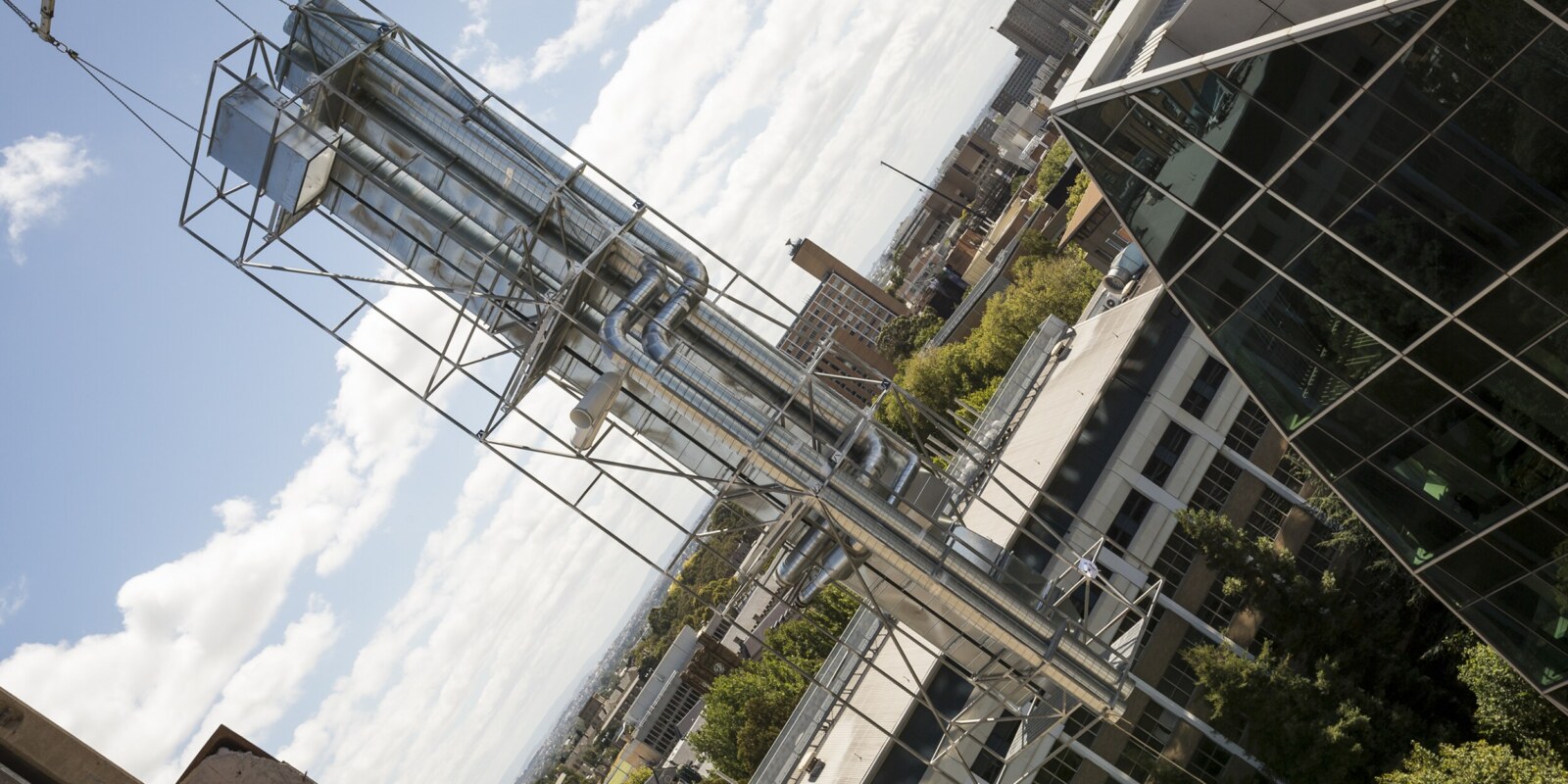
For example, we were able to incorporate our prefabricated riser frame concepts into the early designs of the recently completed Victorian Heart Hospital. This brought a number of benefits to the project including reducing onsite labour hours, working from height risks, program risk and ultimately assisted in delivering an exceptionally high quality build.
Prefabrication now forms part of our standard project methodology, rather than an after-thought post project commencement, with budgets and prefabrication proposals forming part of the initial pricing. This means that the budget can be appropriately allocated at the start of a project, and a clear plan is formed when the project mobilises. This is being made simpler by the standardisation of repeatable items and the ability to therefore confidently price these into each project.
BE: What benefits does offsite prefabrication bring to a project?
Daniel Waack: Prefabrication reduces the number of onsite labour hours and allows parallel construction (i.e. on site and offsite), which in turn increases the speed of project completion and can significantly reduce program risk. It also reduces the safety risks associated with working on site, and at heights, and improves build quality as prefabrication is occurring in a controlled environment. This can then lead to a reduction in the amount of rework required on site.
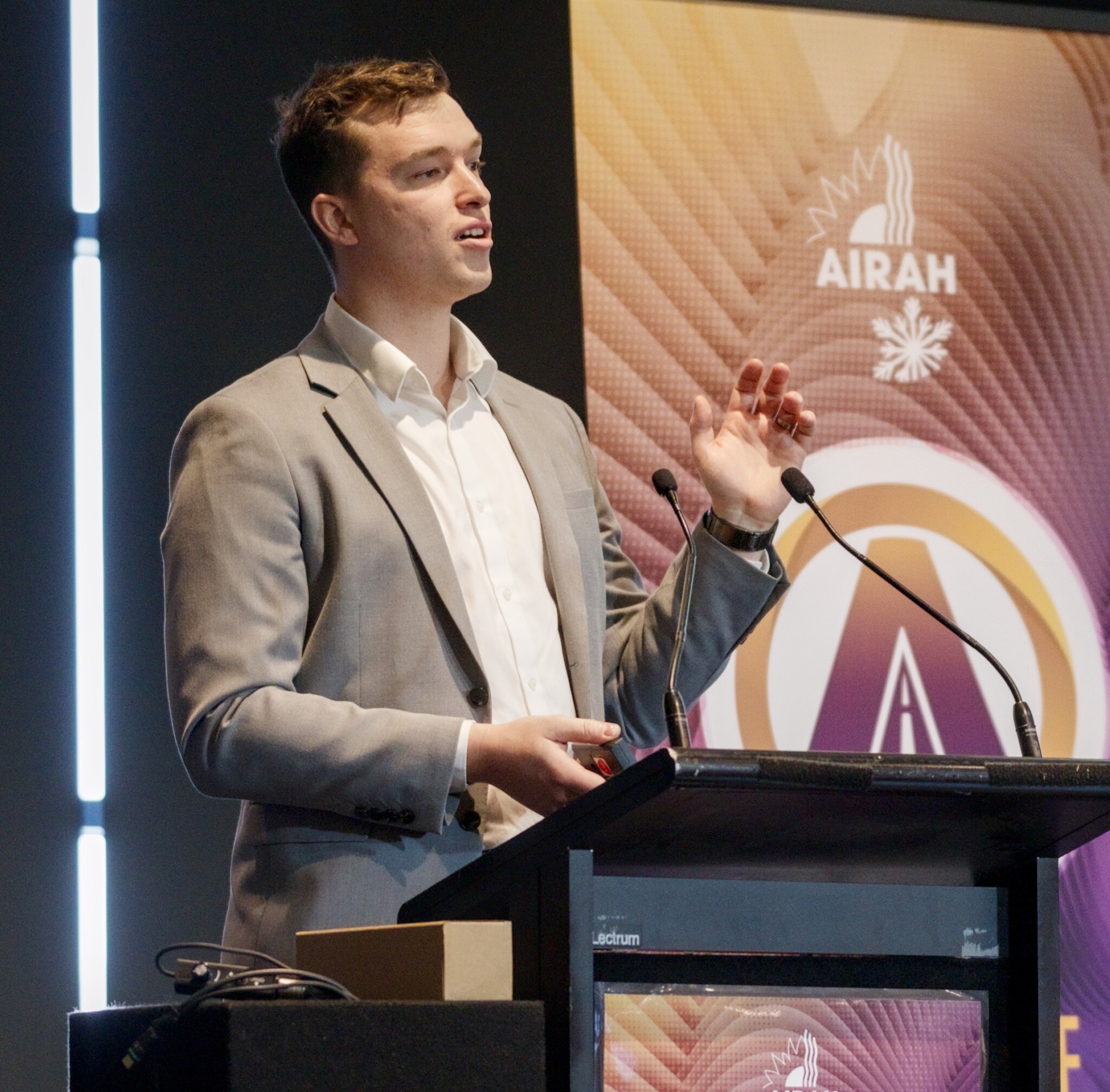
Daniel Waack – Integrated Prefabrication Leader, A.G. Coombs Projects
BE: What are the challenges and barriers left to be overcome?
Daniel Waack: Price-based rather than value-based decision making, and a lack of benefit awareness or exposure to prefabrication continue to be challenges. Our industry is typically one of tactile learners, we often need to first experience the benefits of new methodologies to fully embrace them and change how things have always been done.
We are finding that as clients and design and construction teams experience the benefits of prefabrication and ECI they are enthusiastic to apply these approaches on their next projects.
BE: Where is A.G. Coombs investing further in its prefabrication capability?
Daniel Waack: The Group’s investment is focused on support and facilitation of our people to take a challenge and develop a prefabrication solution to deliver a positive outcome – whether that’s through a custom piece to solve a unique challenge, or through prefabricating a volume of the same assembly.
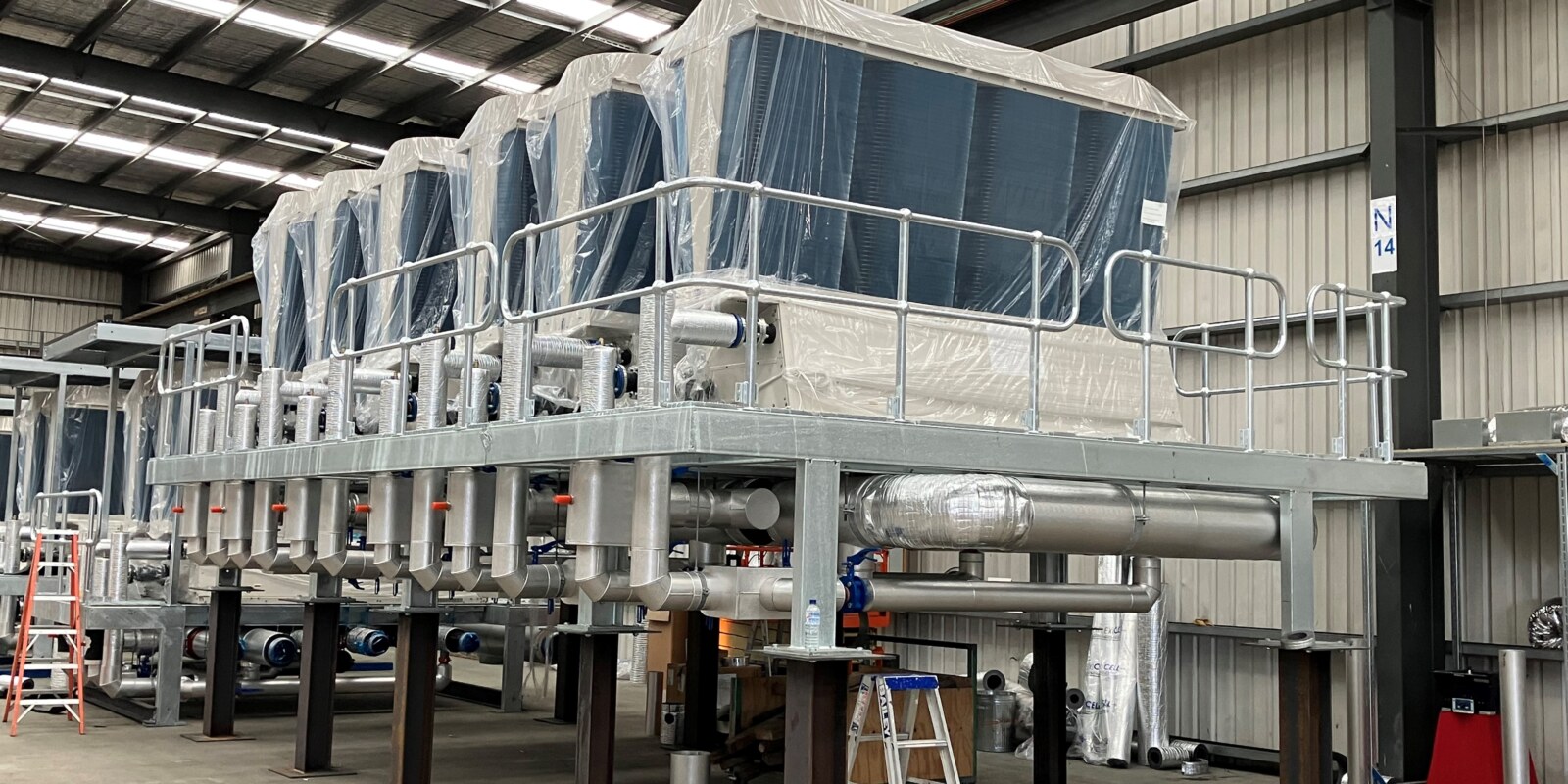
Hyper-standardisation of repeatable parts and sub-assemblies is where we are heading. We have progressed the creation of a catalogue of standardised prefabricated products including multi-services riser solutions, integrated fan modules, horizontal multi services modules, valve assemblies, integrated pump modules and plant room modules. In our prefabrication environments we are moving to apply Lean manufacturing techniques to reduce waste and drive efficiencies and quality.
BE: What of the future? Where can we go from there?
Daniel Waack: We believe that early contractor involvement (ECI) and prefabrication consideration at concept design will soon become normal on most significant projects, and that the design of services will begin to take up the advantage of applying a ‘kit of parts’ approach. There also remain very significant opportunities in the multi-services space, where multiple trade services can be fully integrated into prefabrication.
This article originally appeared in BE – Building Efficiency 2023-2024 magazine


April 1, 2026 in News
When the founders of the Presbyterian Ladies’ College (PLC) welcomed the first cohort of 60 students to their East Melbourne school in 1875, they co...

March 19, 2026 in News
In the traditionally male-dominated building services industry, A.G. Coombs Group is writing a new narrative – one where diversity and inclusion is ...

March 13, 2026 in News
Partnering with First Peoples’ Health and Wellbeing, Nairm Marr Djambana and Bunurong Land Council Aboriginal Corporation, the community will gather...

March 12, 2026 in News
Data Driven Maintenance will take centre stage at AIRAH’s HVAC26 Conference, with A.G. Coombs’ National Data Driven Maintenance (DDM) and Analytic...